01 — Explore
Keep exploring what you just saw.
Scan the code at a museum and start talking to its characters. No download needed. Pick up later on any phone or computer.
Example characters, built from public-domain works to show how it feels.
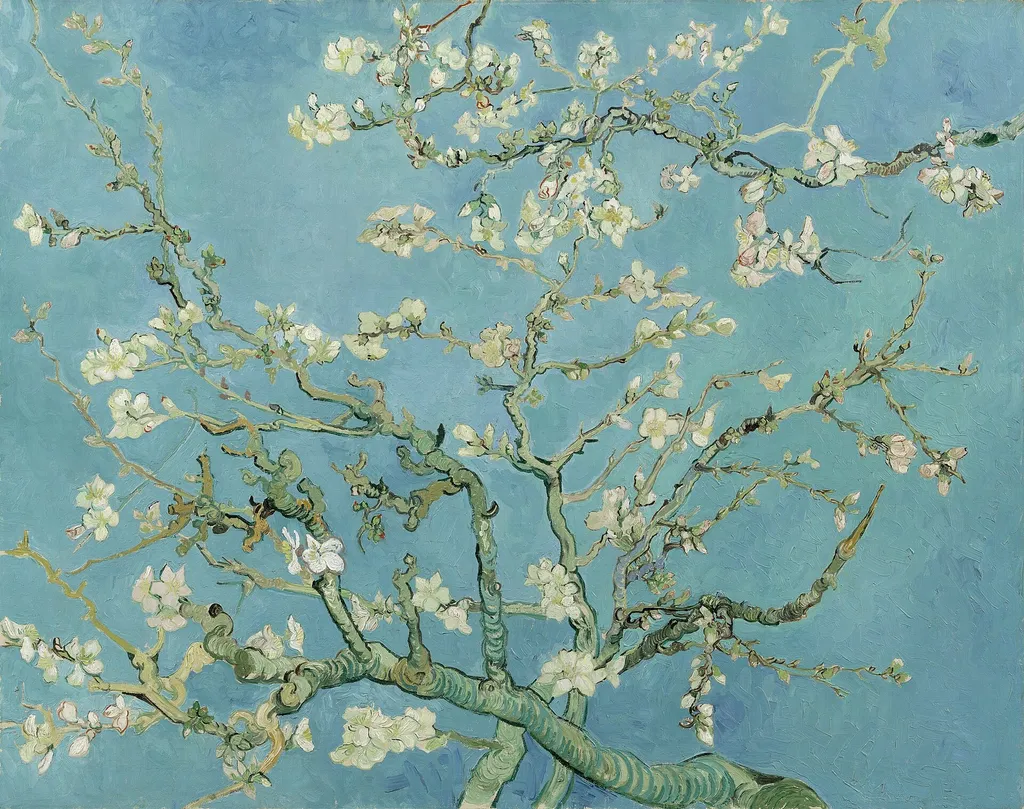
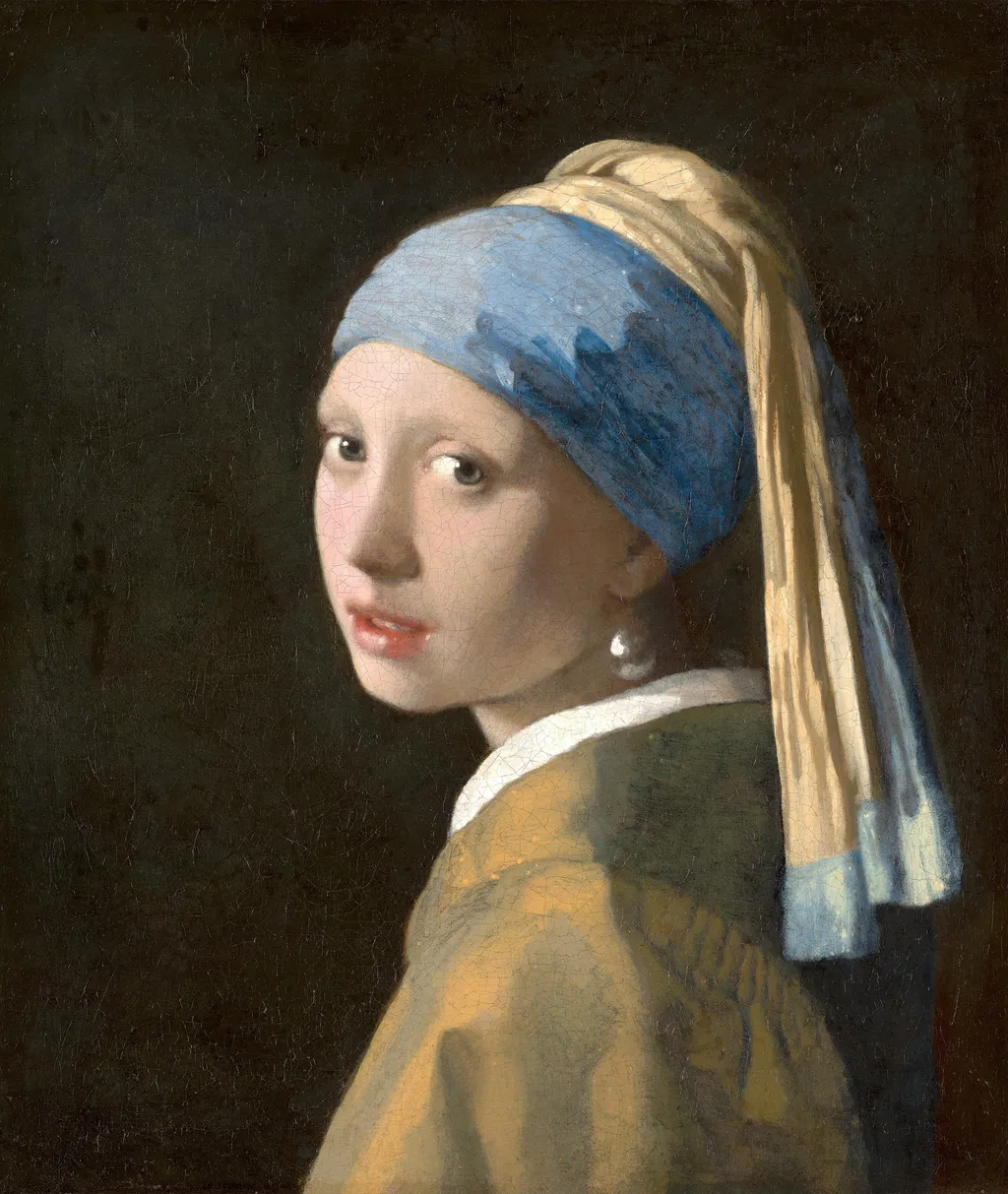
See a collection grow- Girl with a Pearl Earring
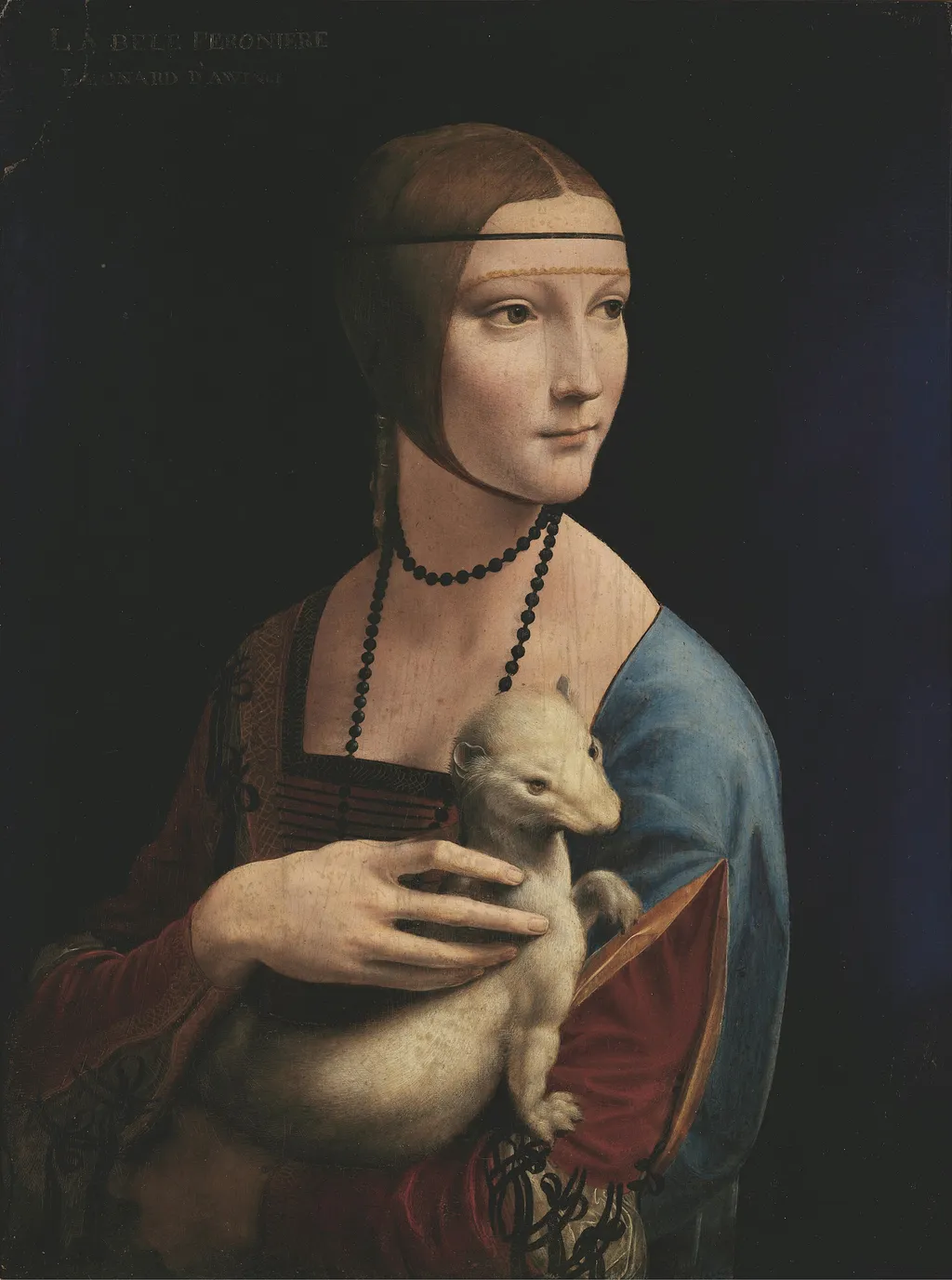
- Lady with an Ermine
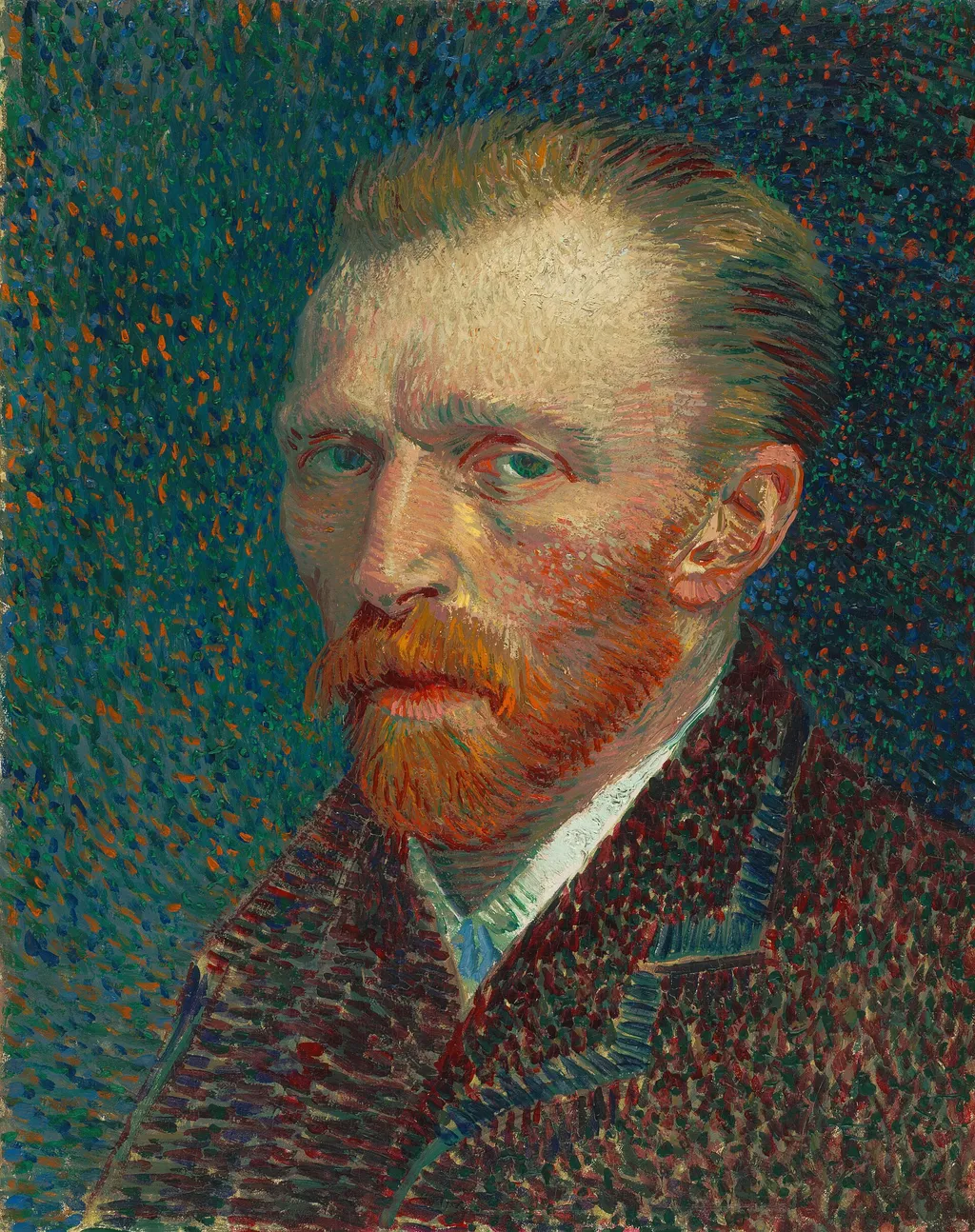
- Self-Portrait
- The actor Ōtani Oniji III

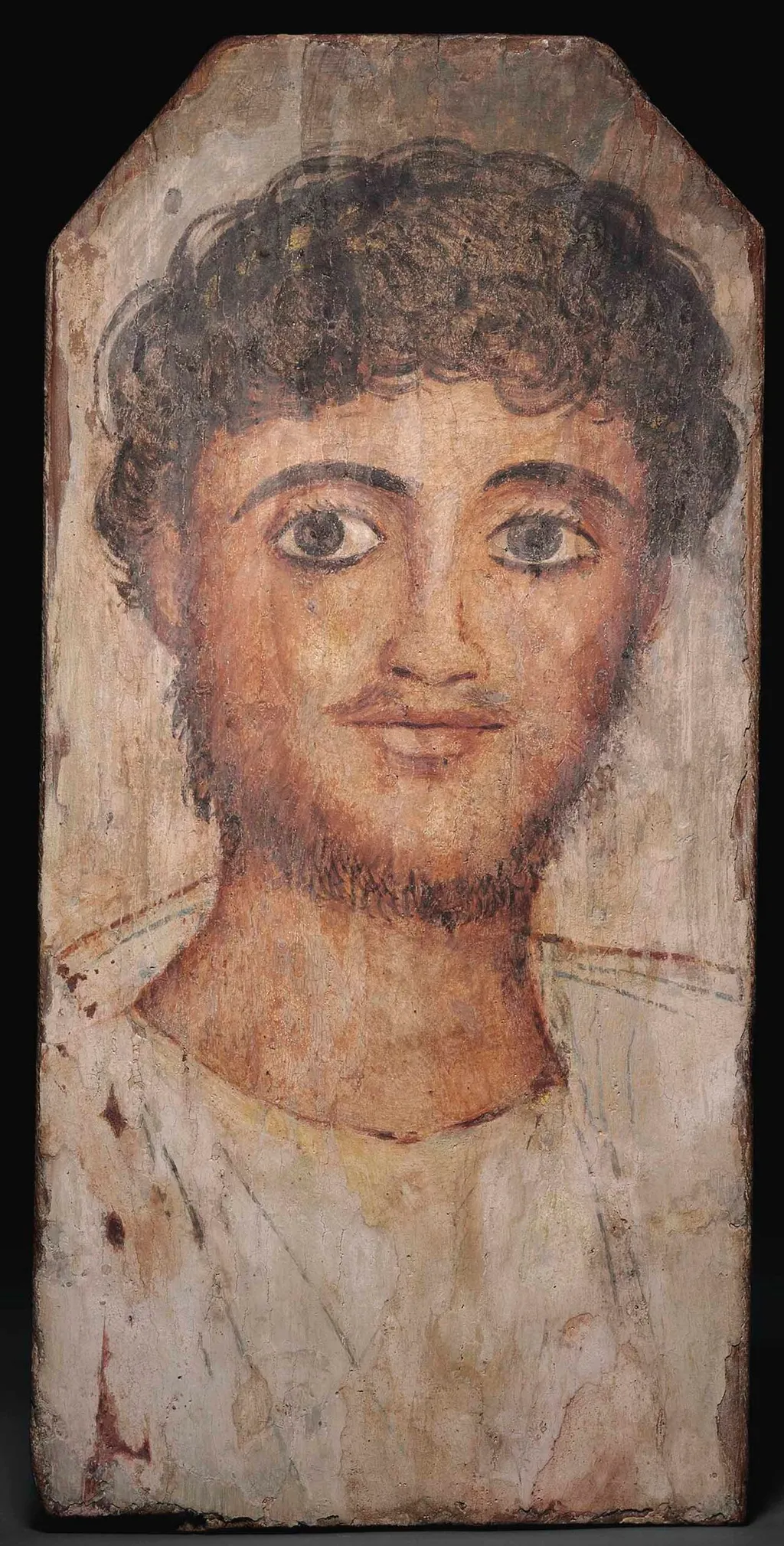
- Portrait of a young man
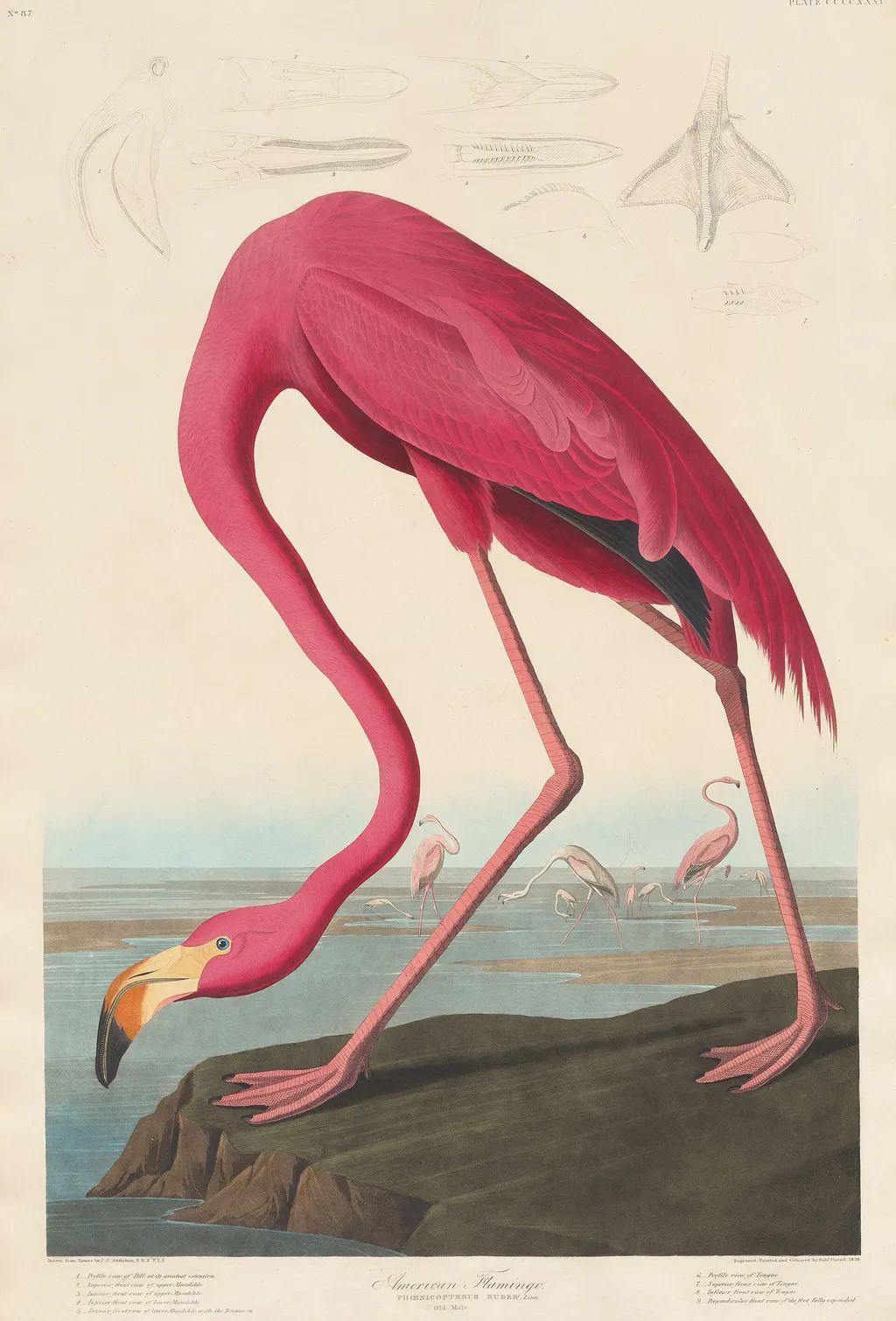
- American Flamingo
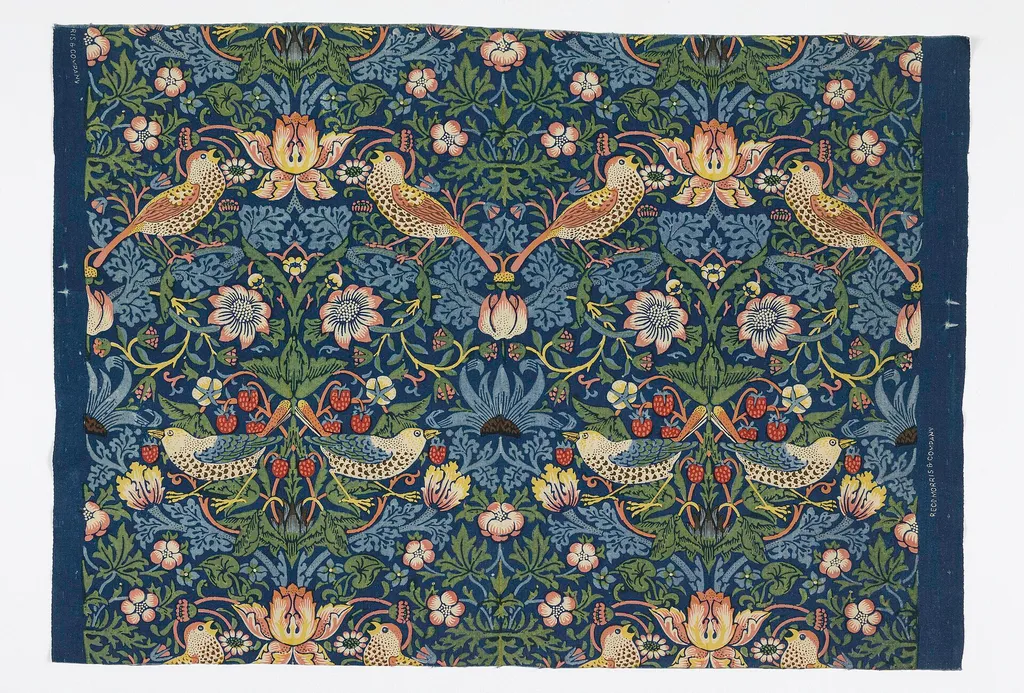
- Strawberry Thief
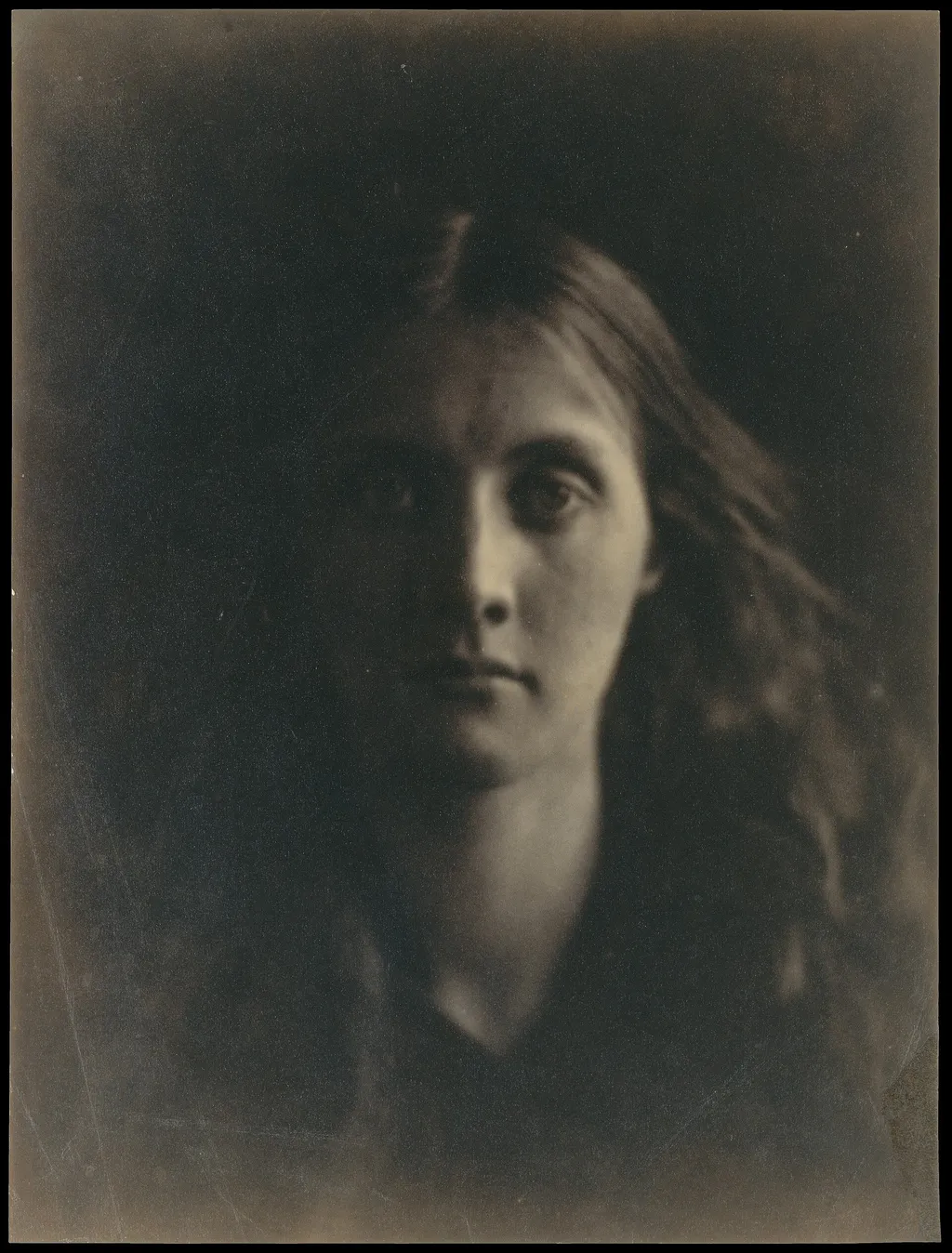
- Julia Jackson
The visit keeps going
From the door to the kitchen table.
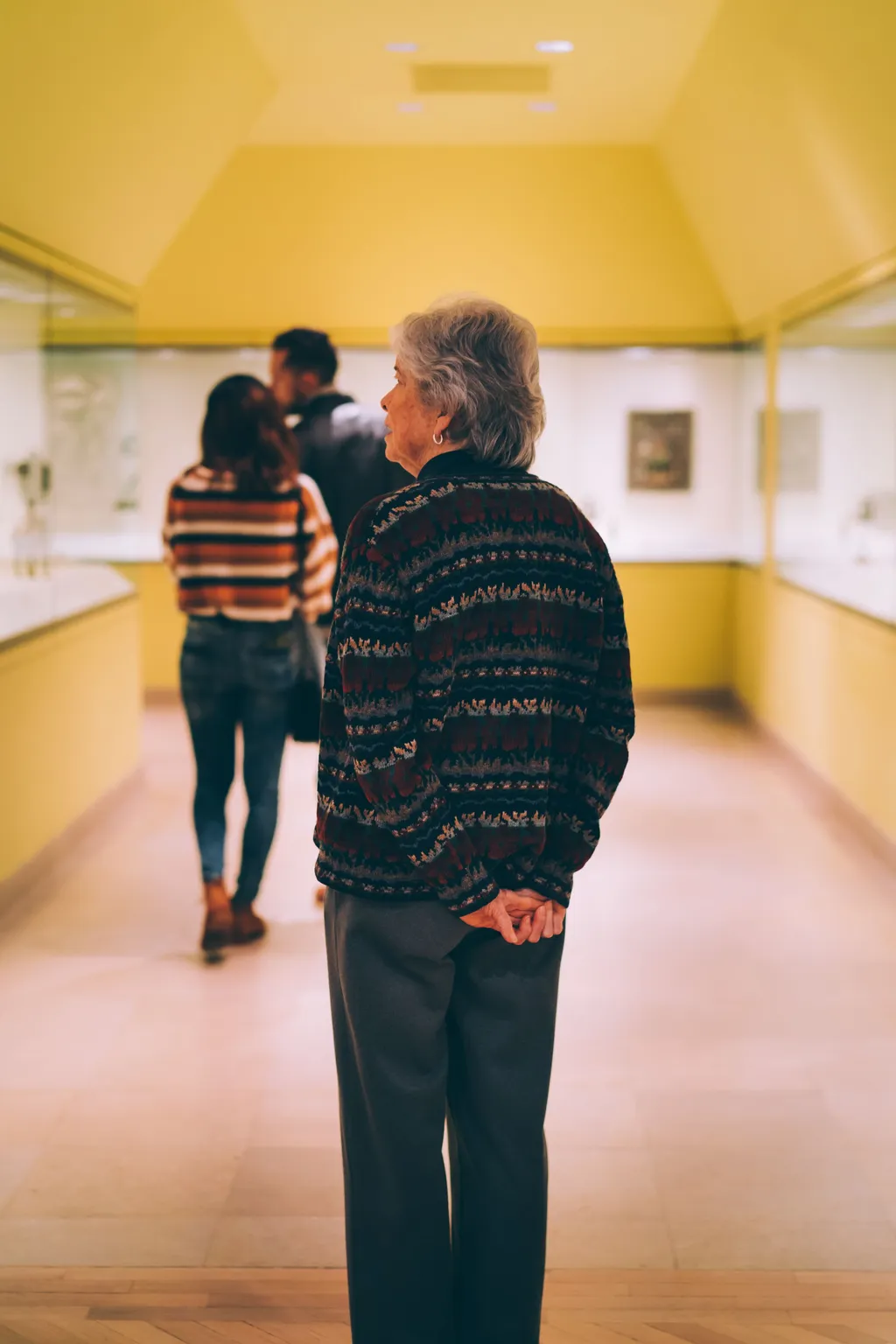 01
Scan at the door
The museum's characters open on your phone, no download needed.
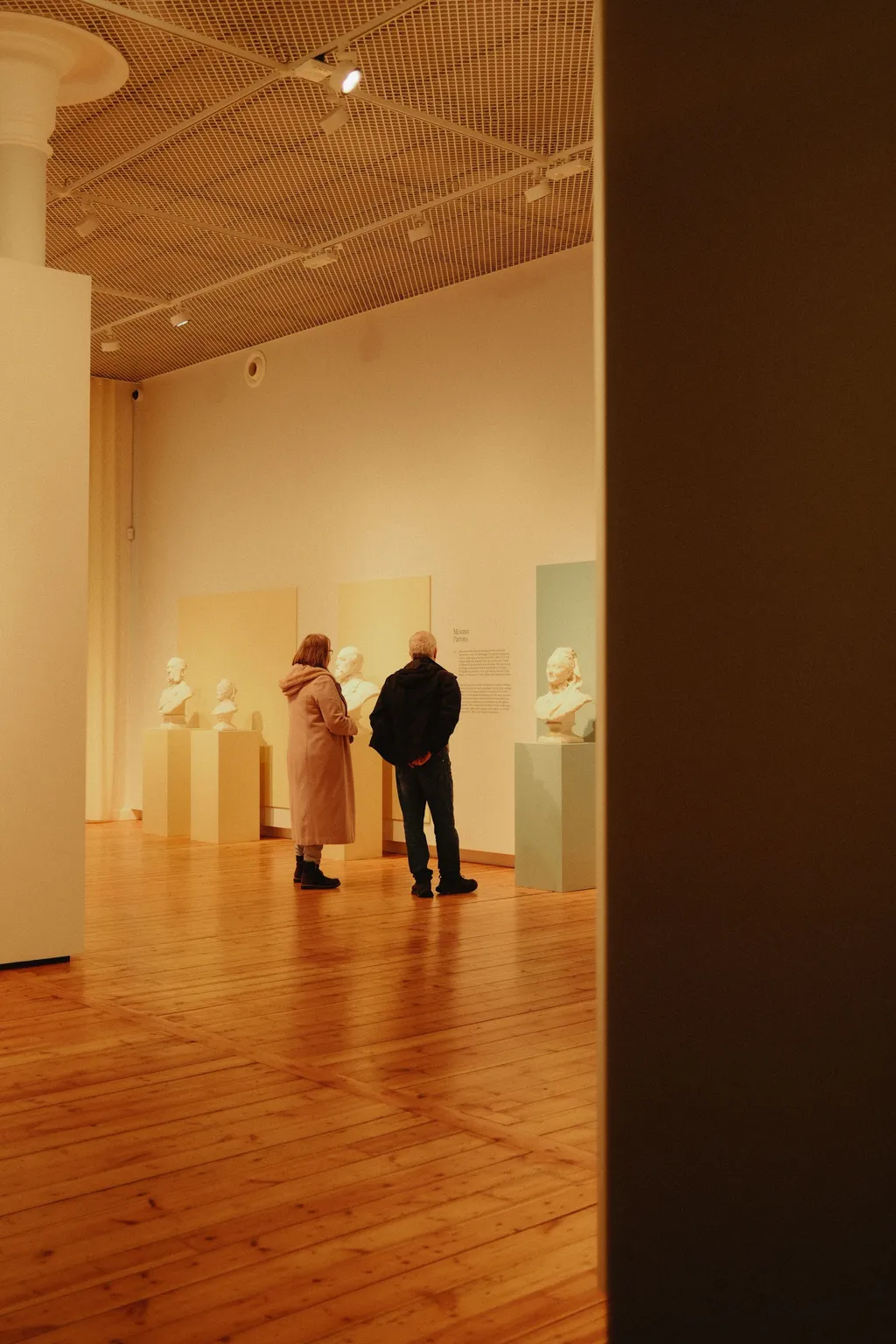 02
Meet the characters
Curators, artists and exhibition voices, speaking from the museum's own material.
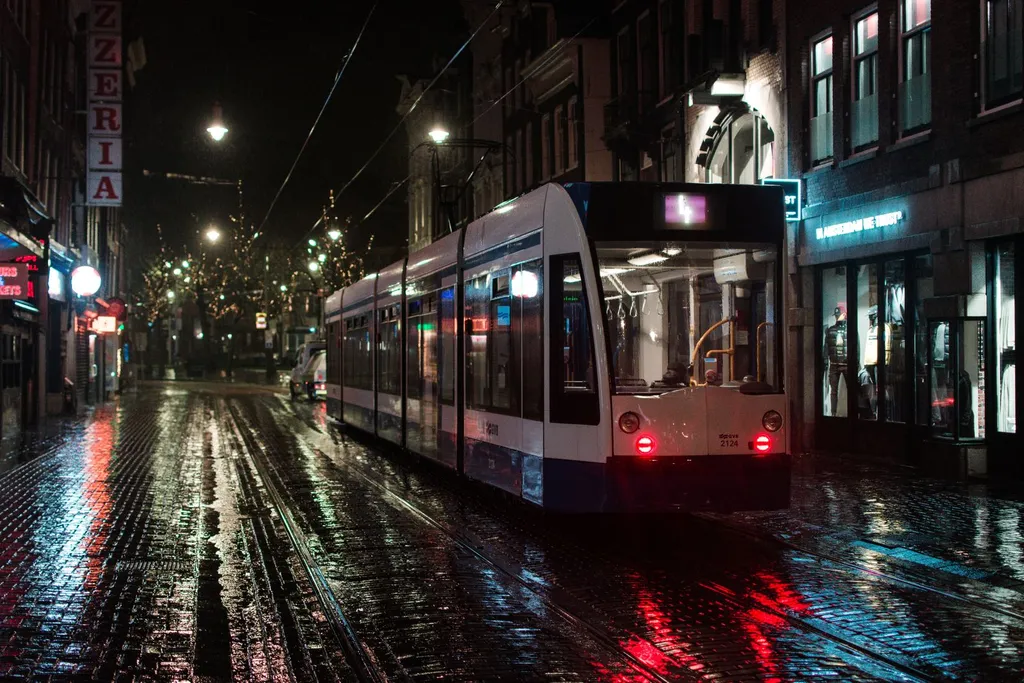 03
Talk anywhere
On the train, at home, days later. Pick up where you left off.
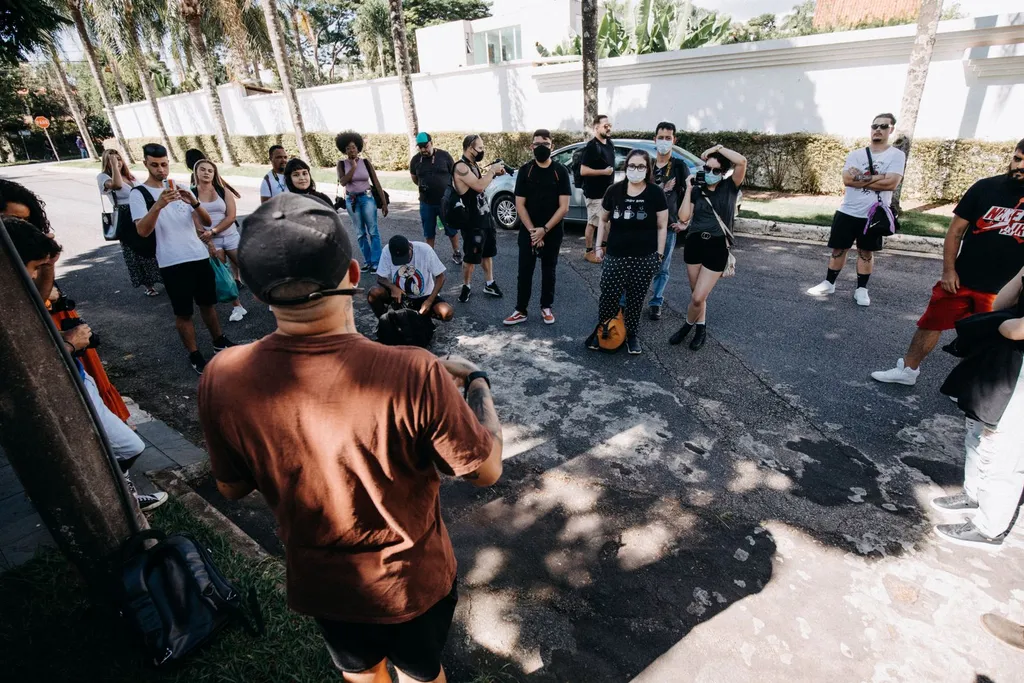 04
Be guided
Your city host suggests the next stop.
 05
Learn from the makers
Go deeper with a course from a local artist or maker.
City hosts
Your city, before and after the trip.
Every city gets a host that knows its museums, its exhibitions and what you've already seen.
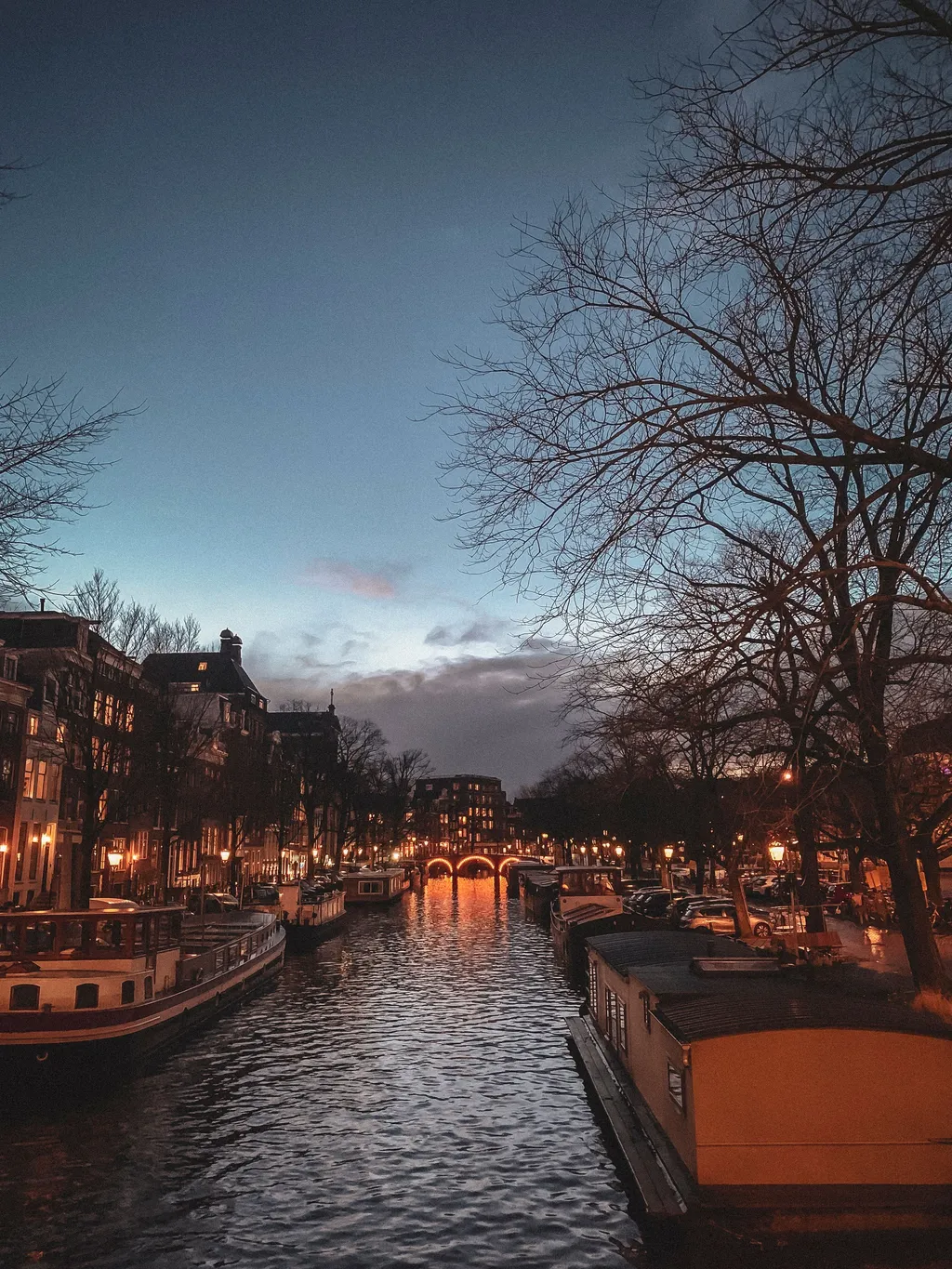
- AmsterdamFrom December
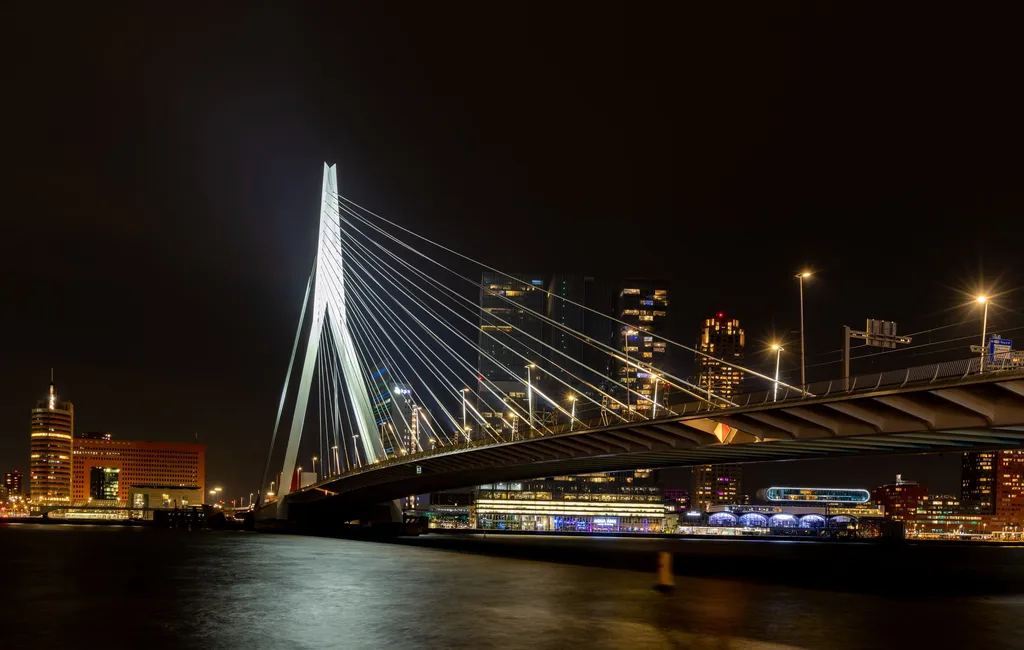
- Rotterdam2027
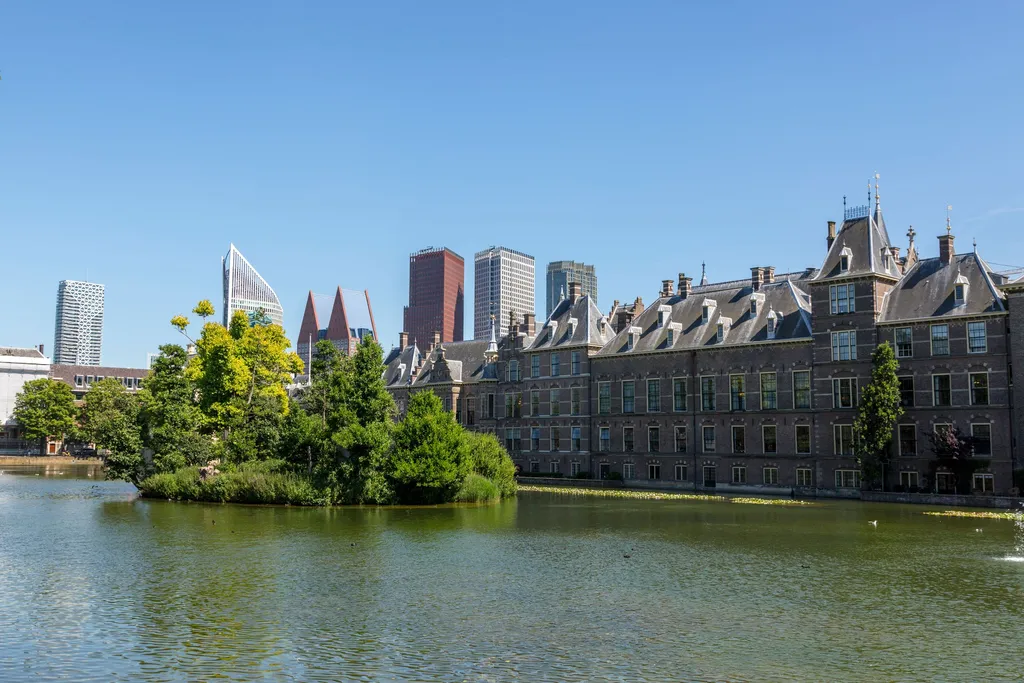
- Den Haag2027
- Utrecht2027
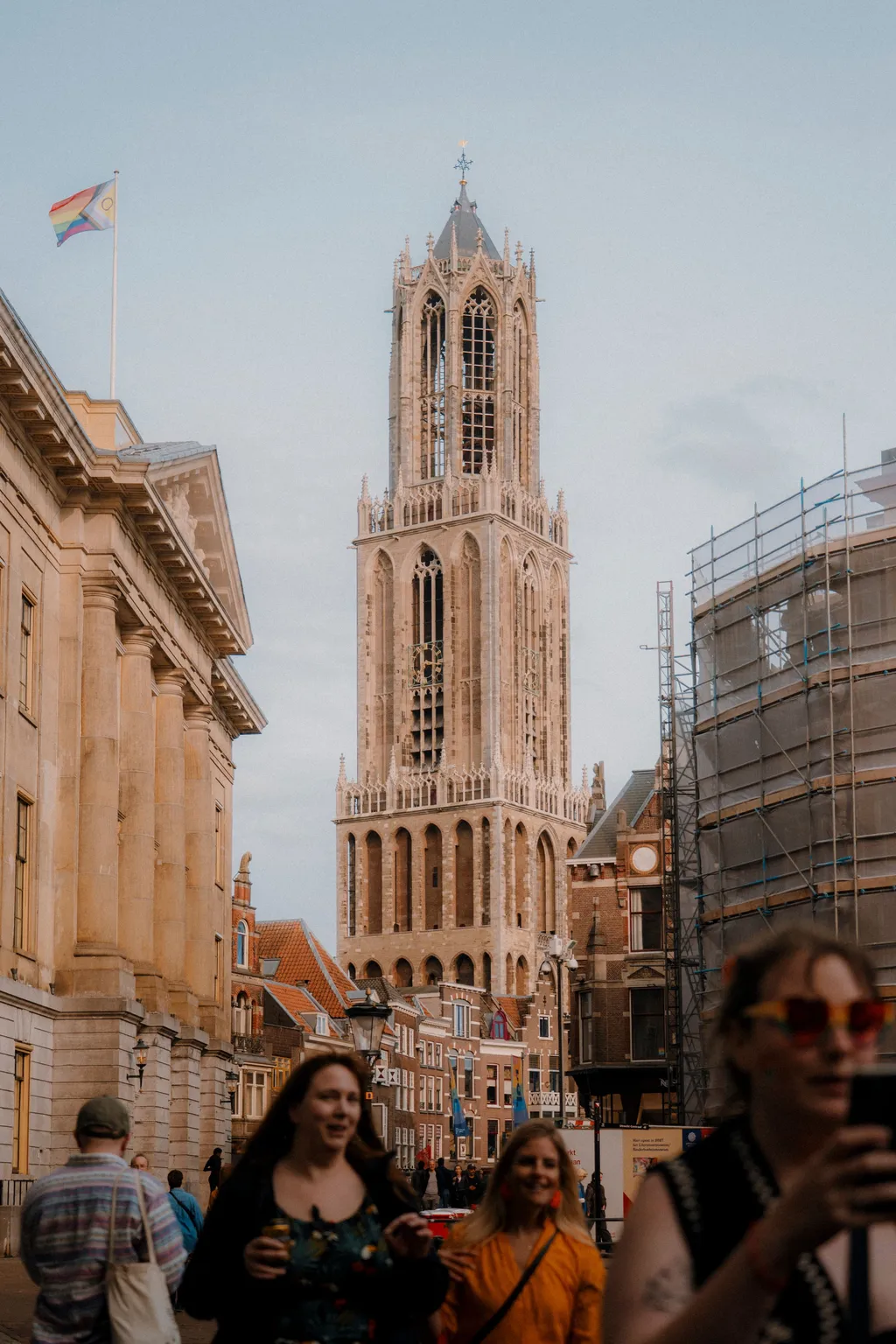
Amsterdam: from December. Rotterdam, The Hague and Utrecht: 2027.
Before you go
Questions visitors ask.
Do I need to download anything?
No. Scan the code and you start in your browser.
The free New Schools app arrives in December, and some museums have us inside their own app.
How do I start at a museum?
Scan the code at the door or in a room. The museum's characters join your collection and you can start talking to them where you stand, on the museum's Wi-Fi or your own data.
Can I keep talking after I leave?
Yes. That is the point. From the café, on the tram, at home, in your language. The conversation remembers you and picks up where you left off.
Do I need an account?
Not to start. You scan and talk. An account is asked for only when it earns you something, such as continuing at home or hearing from the museum, and everything you did before comes with you.
What does a city host do?
Every city has a host, a New Schools character who knows the venues, what is on, and what you have already seen. Ask where to go next, or take one of the tours made with the museums.
What about my location?
It is read only on a tour, or when you ask what is near you, with your permission, and it is never stored. A code at the stop does the same job where there is no signal.