How it works
One place where culture keeps teaching.
A visit sparks the interest. A maker teaches the skill. A coach helps you see where to take it. New Schools keeps all three connected, long after the visit or the class ends.
The problem
Most culture stops at the exit.
- 01
A visitor
spends an hour with a collection, then goes home with questions nobody answers.
- 02
A student
leaves a workshop and practises alone until the next one.
The interest is there. The thread gets lost.
Three parts
Explore, learn, grow.
Explore
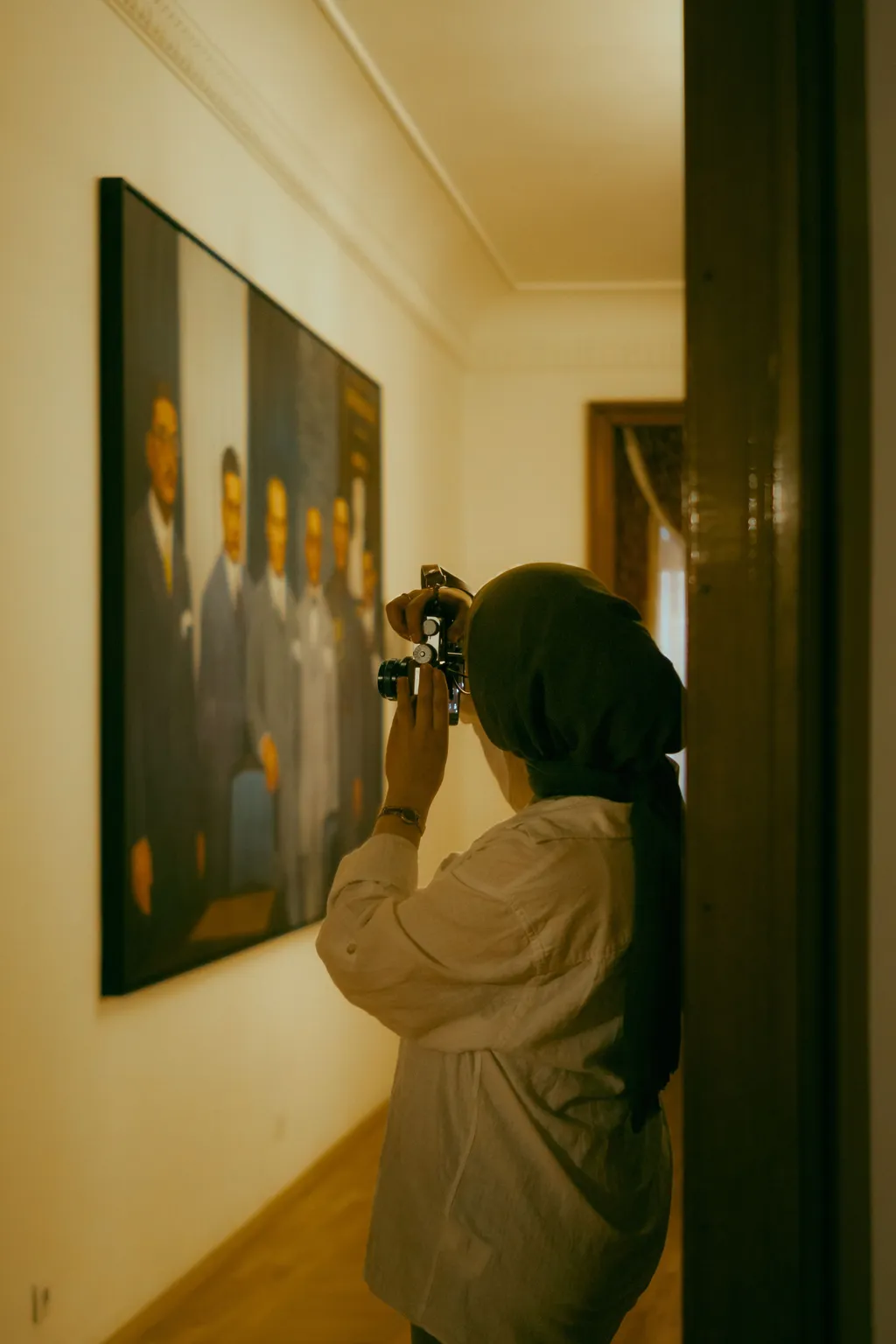
Museums and cultural places spark the interest. Visitors scan a code and keep talking to the collection at home.
For museumsLearn
Artists and makers teach the skill. Learners practise and get feedback on their own work.
For creatorsAn example visitor
From the gallery to the kitchen table.
 01
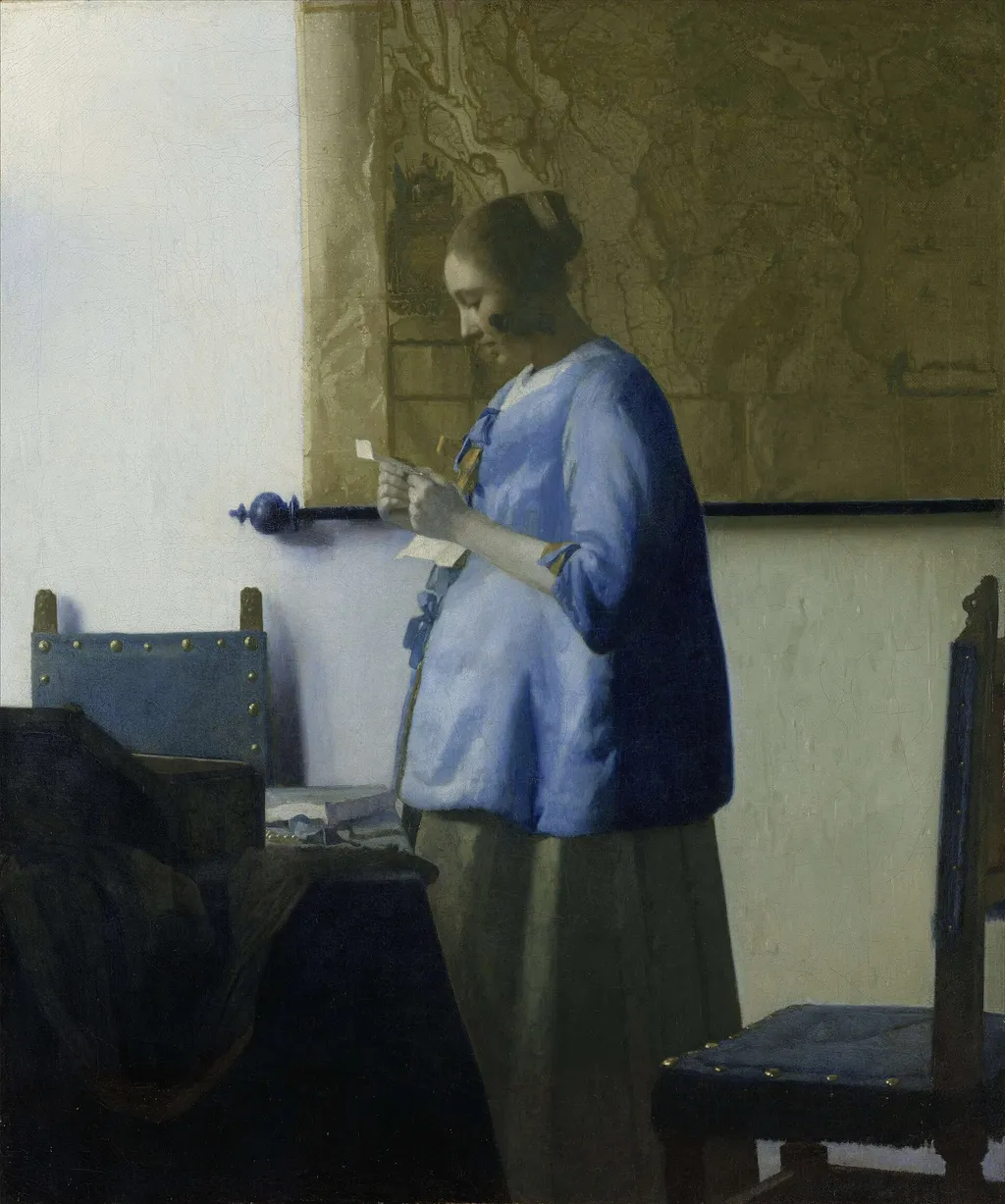
Saturday, at the museum
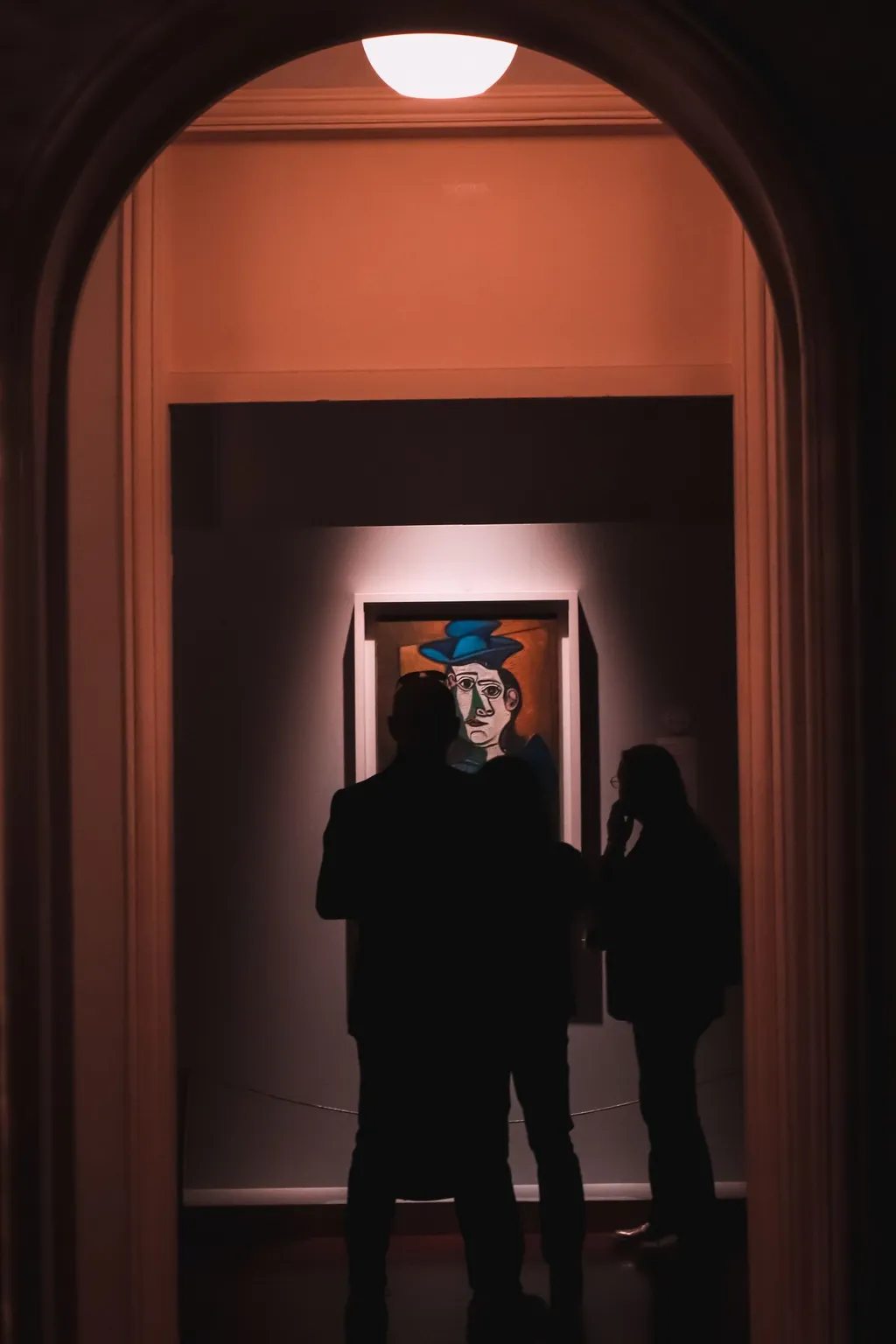
Sara scans a code next to a Vermeer and asks why the light looks the way it does. The answer comes from the museum's own texts.
 02
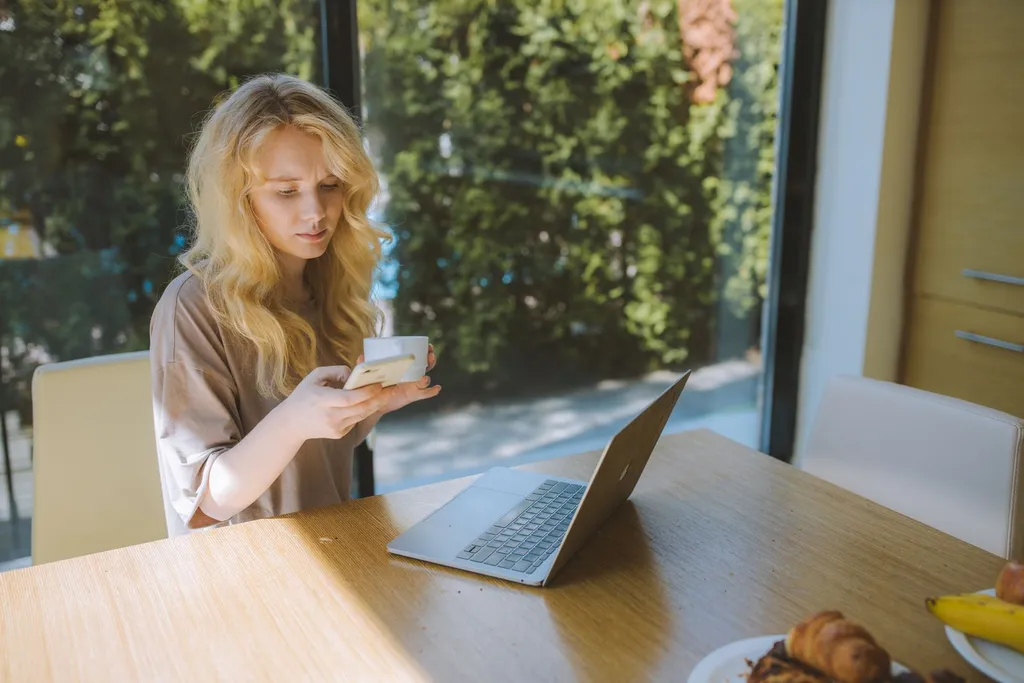
Tuesday, at home
She picks up the conversation where she left off.
 03
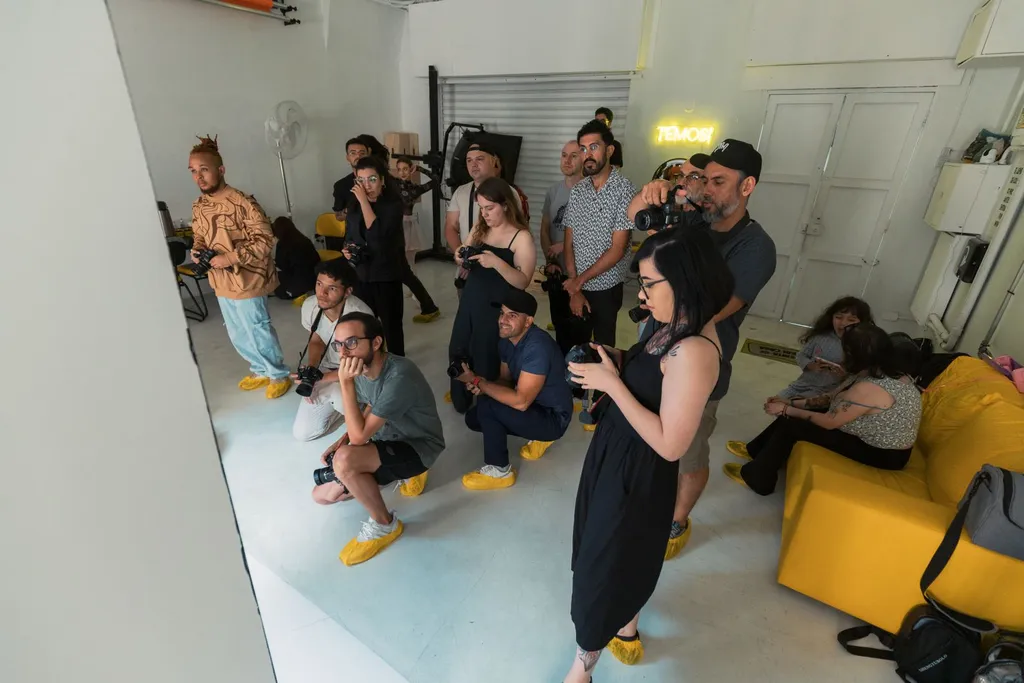
The next week
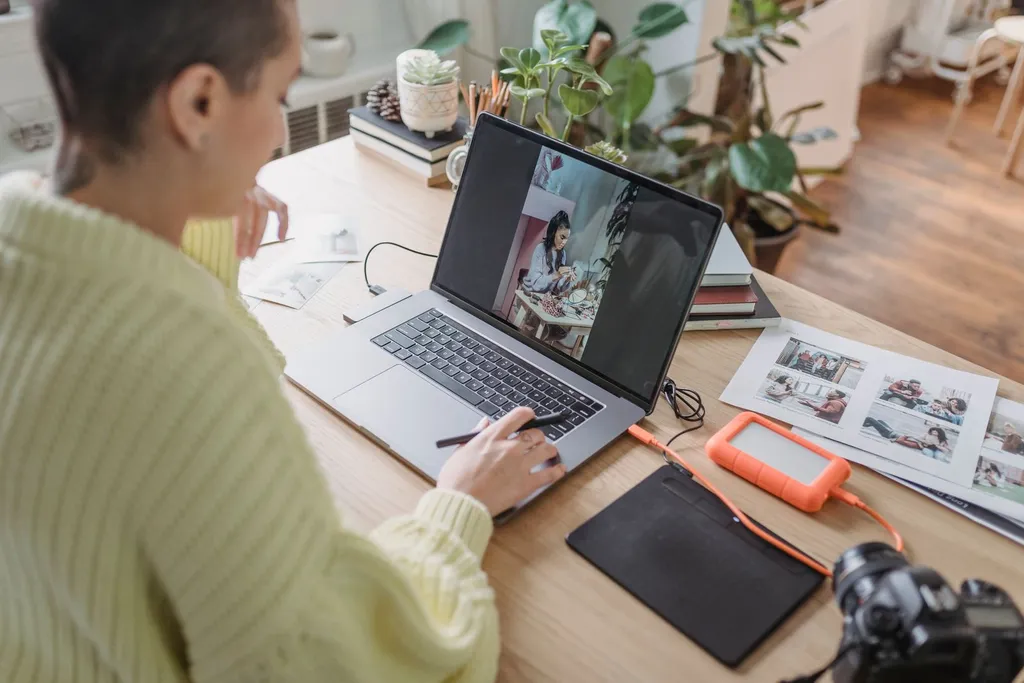
She's shown a photography course on light, taught by a local maker, and signs up.
 04
A month on
She sends in her photos and gets feedback between lessons.
 05
Next exhibition
The museum sees she came back.
Ways in
No download needed.
Three ways in, all the same experience:
On your phone or computer. Scan the code at the museum and start in your browser.
In the New Schools app. Free, from December.
Inside your museum's own app. If a museum already has one, we work inside it.
The source
Every answer comes from the source.
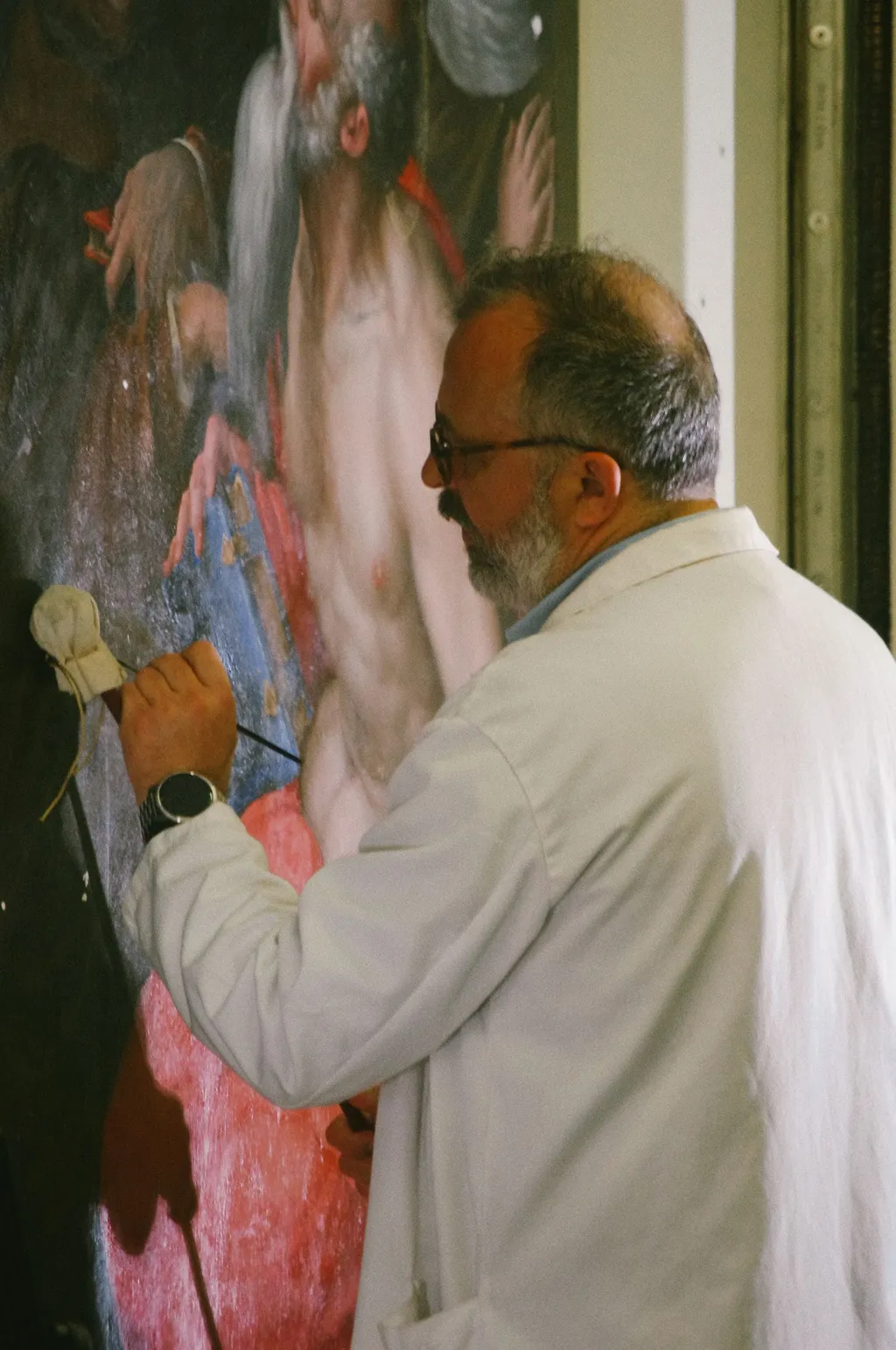
- Characters answer from the museum's collection or the maker's own method, in the tone they choose.
- If a character doesn't know, it says so.
- Nothing goes live until a curator or a maker approves it, and they can take it down at any time.
AI
Where AI fits.
Keeps the teaching going
AI keeps the teaching going between the visit and the next one, and between one class and the next.
A person approves what it says
It works from the museum's or the maker's own material, and a person approves what it says.
Results
Everyone can see what it achieved.
| Museums | Who kept learning after the visit, what they asked, and visitors arriving from places nearby. Per exhibition, ready for the board. |
|---|---|
| Makers | Students, sales and progress per course, from the first month. |
| Coaches | Where each person started and how they're growing. |
| Learners | Your progress, your badges and the work you've made, in one place. |
City hosts
A host for the whole city.
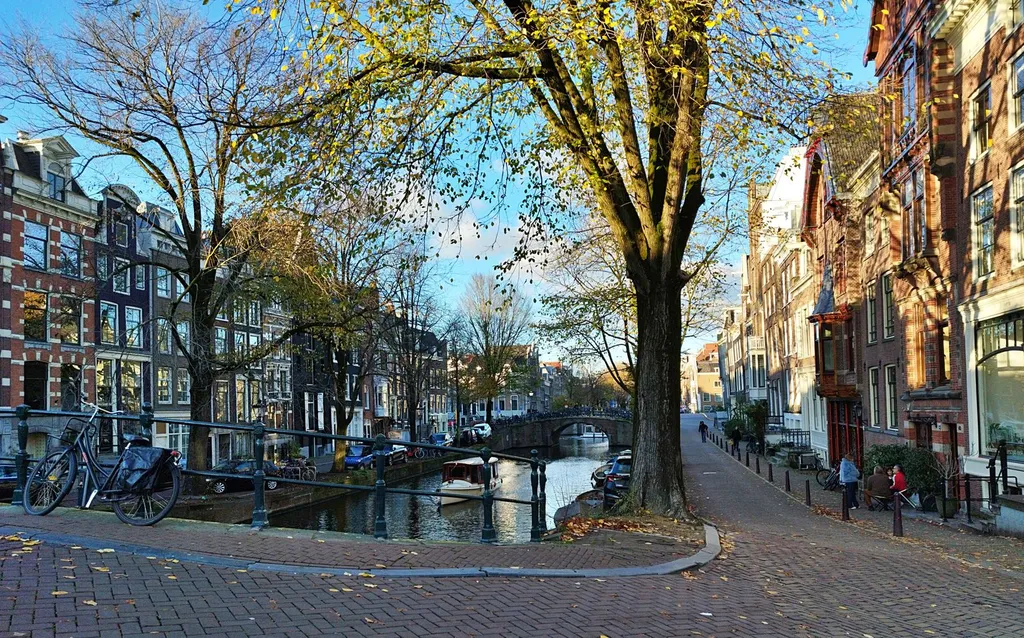
Each city gets a host that knows its museums, its exhibitions and what you've already seen, and suggests where to go next.
Amsterdam: from December. Rotterdam, The Hague and Utrecht: 2027.
Proof
Already working.
- 142
- students learning photography with one maker, Iris
- 297
- photo analyses in one month on New Photo Schools
- 532
- learner conversations in that month
Your data
Your data stays yours.
Museums own their material and their visitors' conversations. Makers own their courses and their students. Learners own the work they make.
We never sell data and never use your material to train AI models.
Questions
Questions about how it works.
Do visitors pay?
No. Exploring a museum's characters is always free for visitors.
Do I need to download anything?
No. Scan the code and start in your browser. The free app arrives in December.
Who writes the answers?
The museum or the maker. Every answer comes from their own material, and they approve it.
Which languages?
Dutch and English now. Italian and Spanish in 2027.
Can museums and makers work together?
Yes. A maker can build a course on a museum's collection, and visitors who loved that collection are shown it.